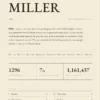
Your family name,
on the record.
Give us one surname.
We follow it through the public archives and hand back what is there, with the source for every claim.
Where the facts come from
Every name leaves a paper trail.
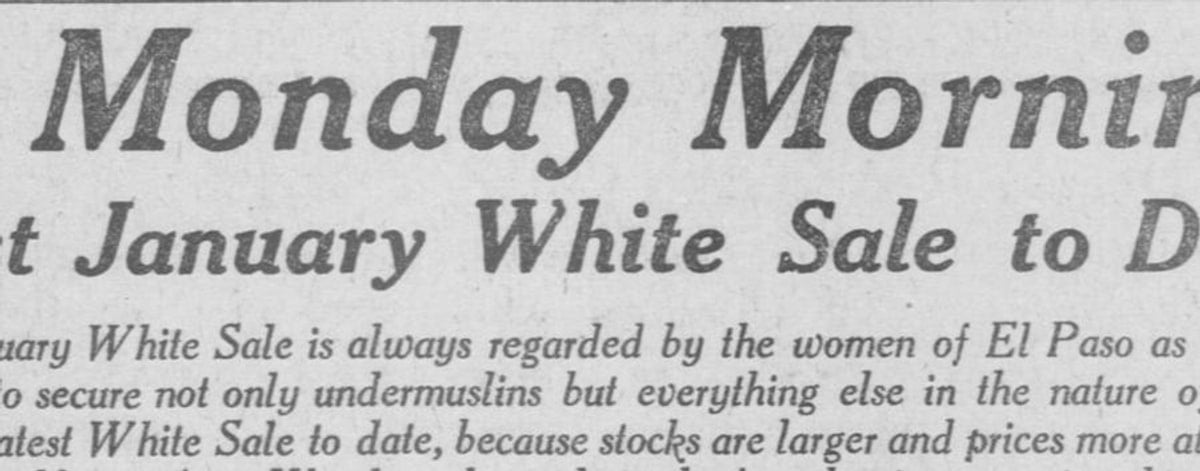
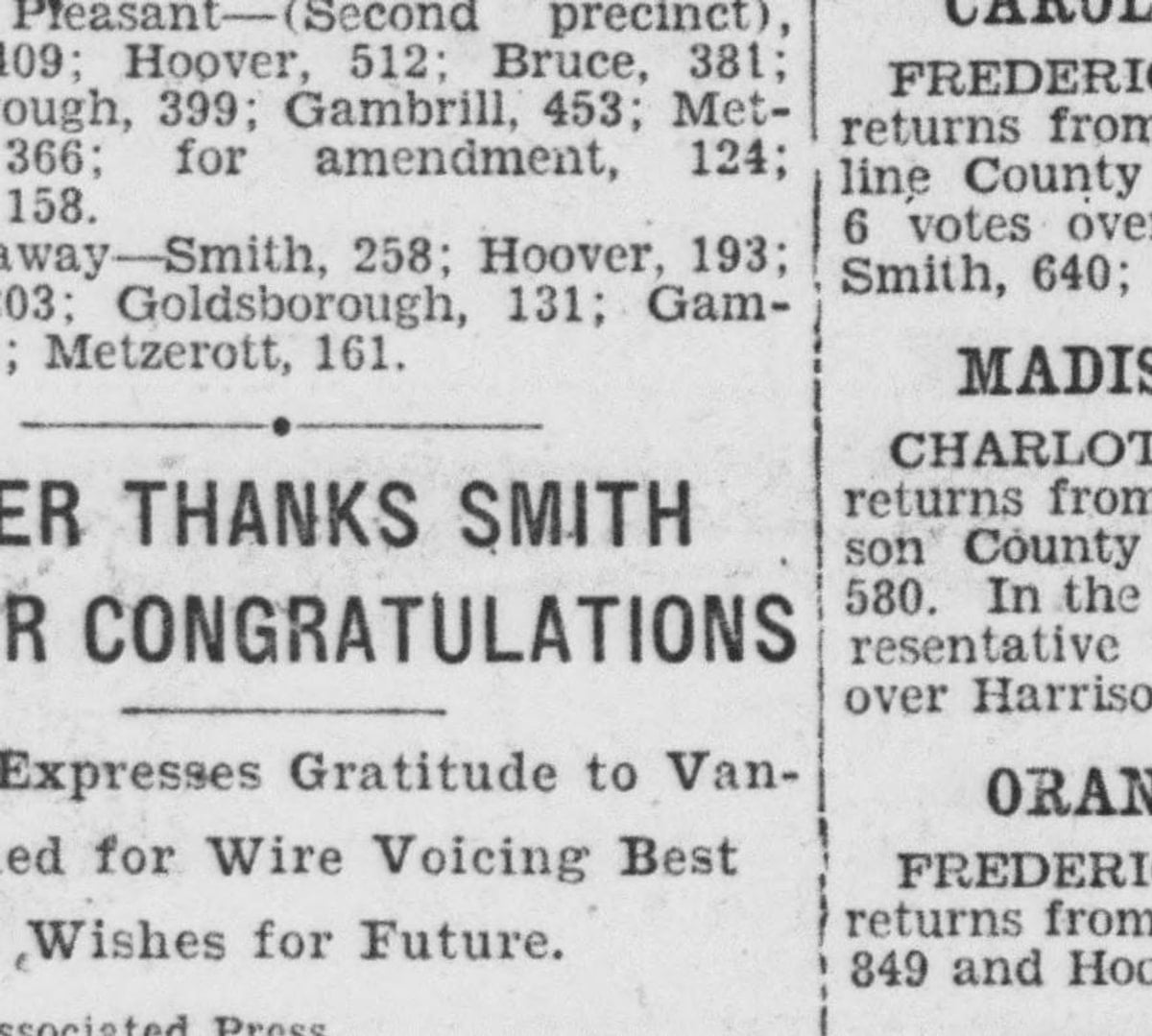
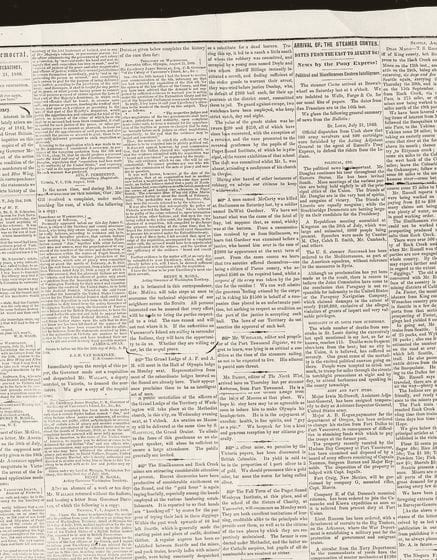
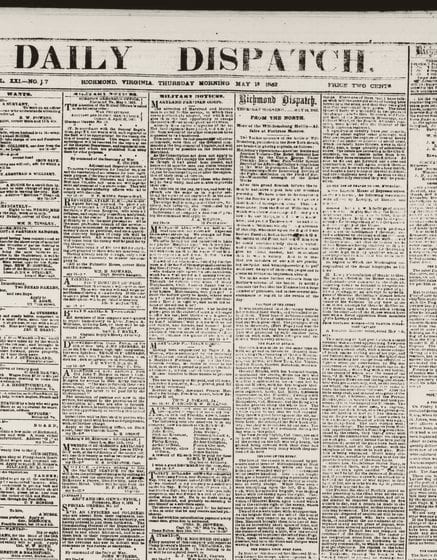
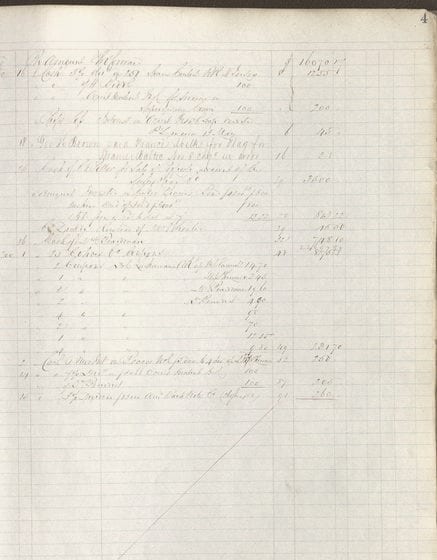
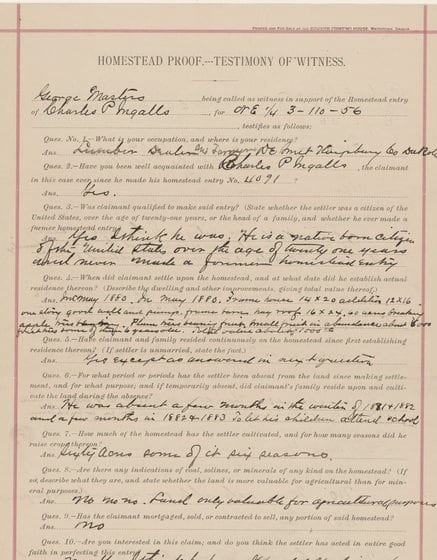
A real page, held in a public archive, found by searching for the name. This is the kind of thing that comes back.
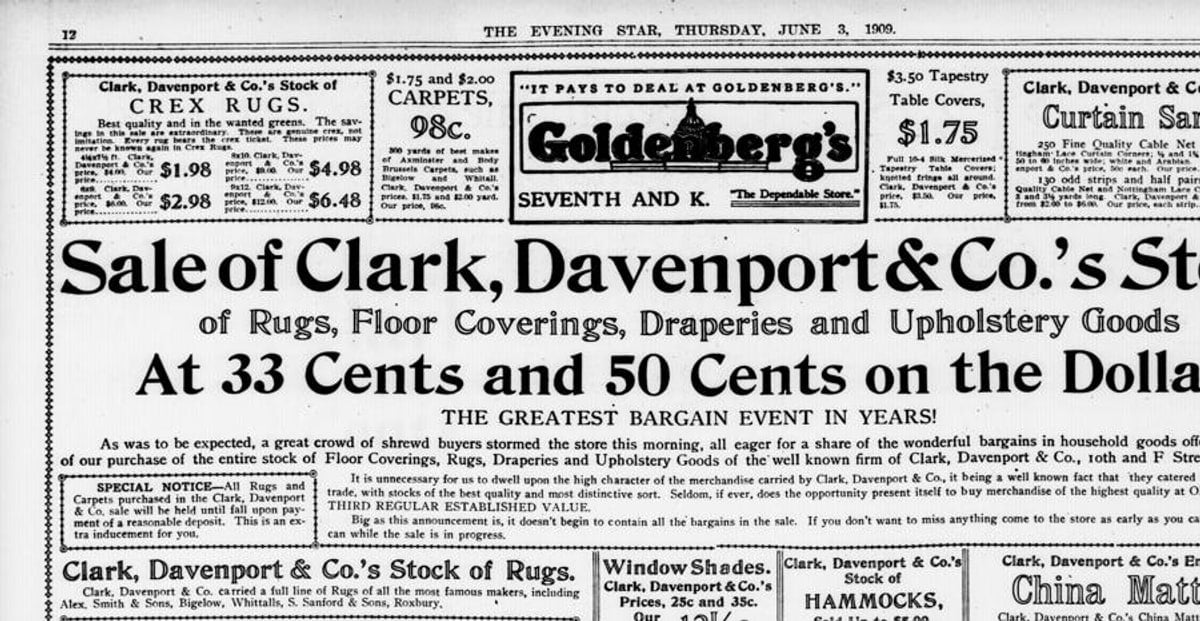
A merchant house takes out the whole front of page twelve
Evening Star · Washington, D.C. · June 3, 1909
Library of Congress.
What comes back
The record under a name is bigger than one report. We build from it — chapters to read, pages to print, pieces to keep — and we keep adding as the archives do.
Learn moreon the census
Miller
- The name, and what it meant Wikidata
- How common it is, and where U.S. Census Bureau
- Pages it appears on Library of Congress
- People documented under it Wikidata
- The crossing it likely made Passenger lists

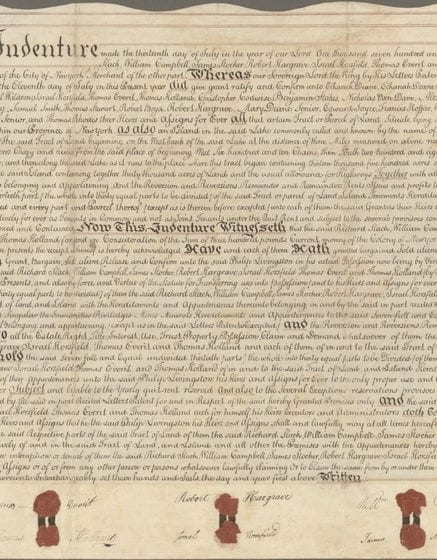
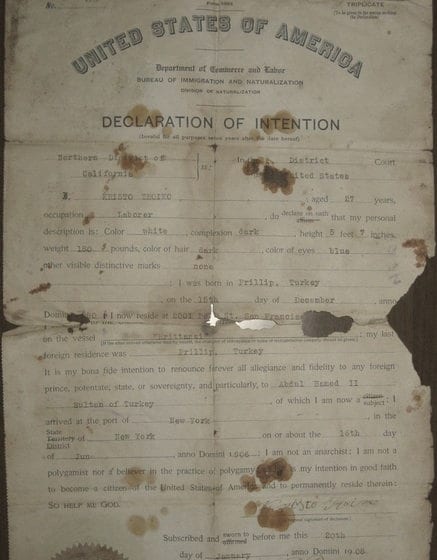
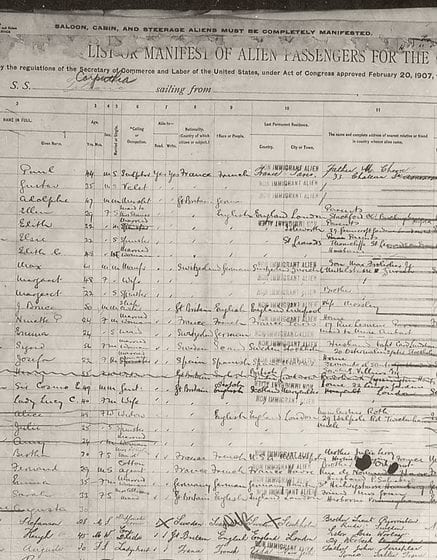
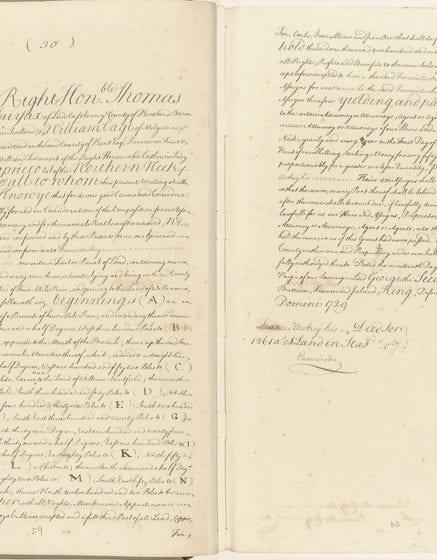
How it works, start to finish.
Only the first step is yours. The rest is us reading, and you reading what we found.
-
Type the name or the date
The one thing everybody already knows by heart. Nothing else is asked of you, and nothing is stored until you decide it should be.
-
We read the archives
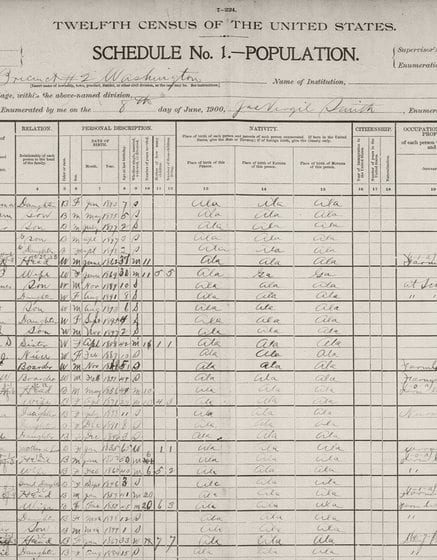
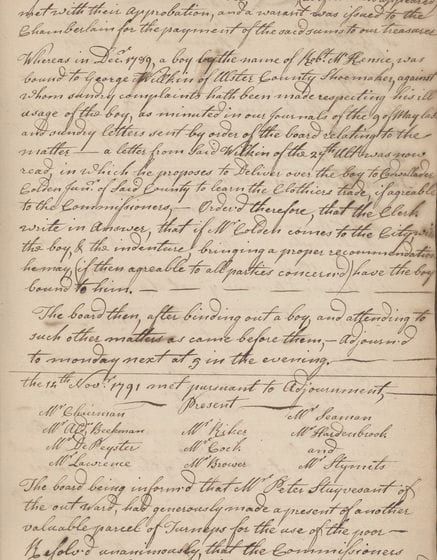
Census returns, parish and probate registers, newspaper pages and the standard reference works get searched for it, and what comes back is what gets printed.
-
It is set and printed
Eight sheets on heavy cream stock, with the citation printed beside each claim so you can go and check it yourself.
-
It arrives in a folder
Posted to your door in a navy hard cover folder. One payment, and no clock running on it.
1740 → 1902
You never do the searching.
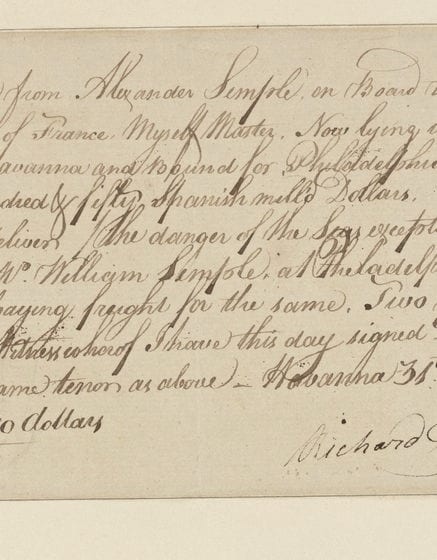
From a 1740 indenture to a 1902 telegram, the paper is already there and already public. The hard part is finding one name inside a century and a half of it — and that part is ours.
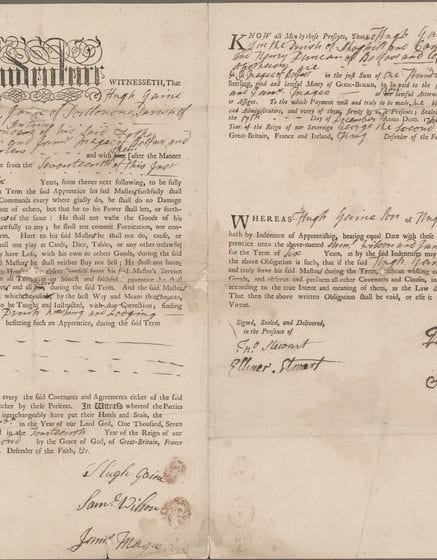
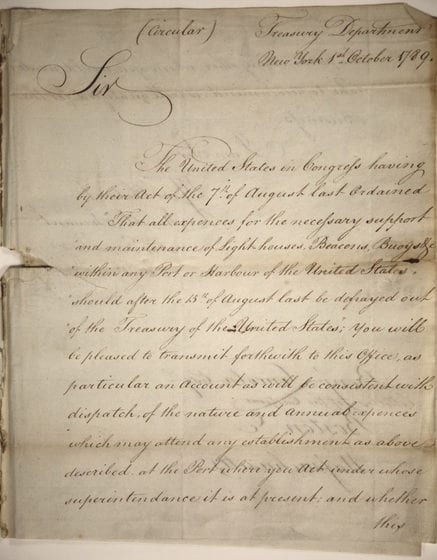
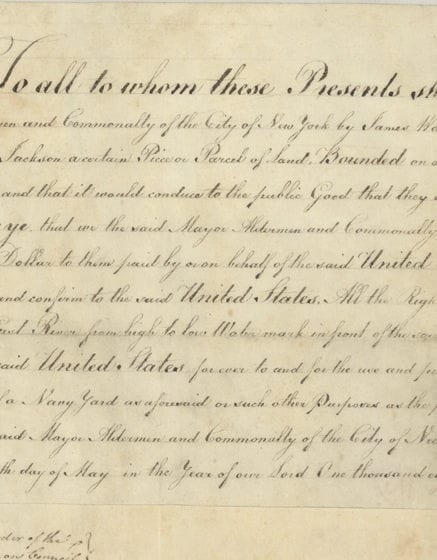
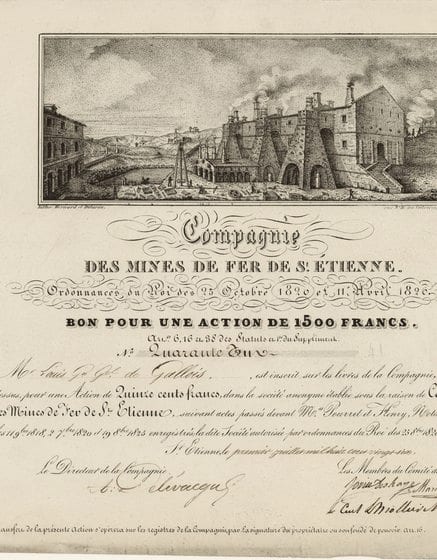
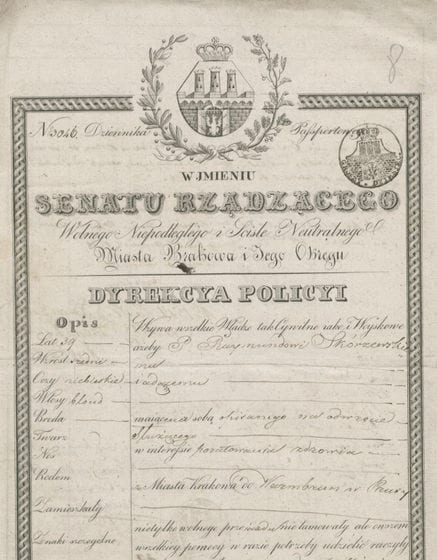
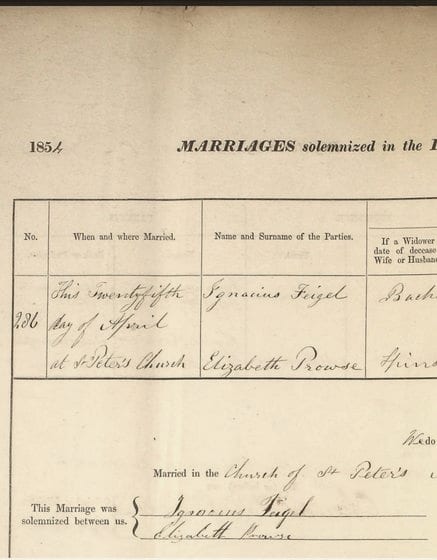
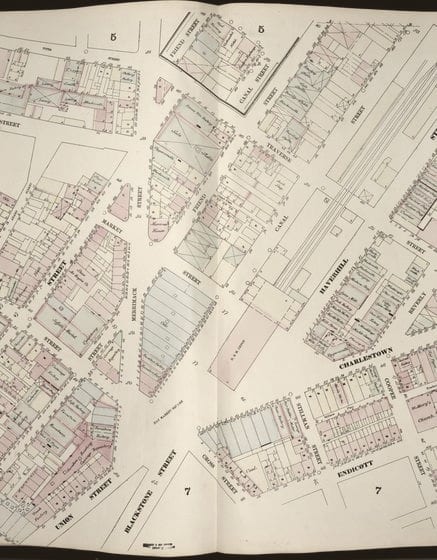
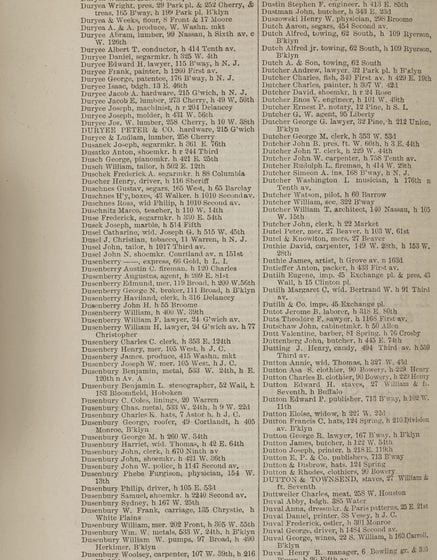
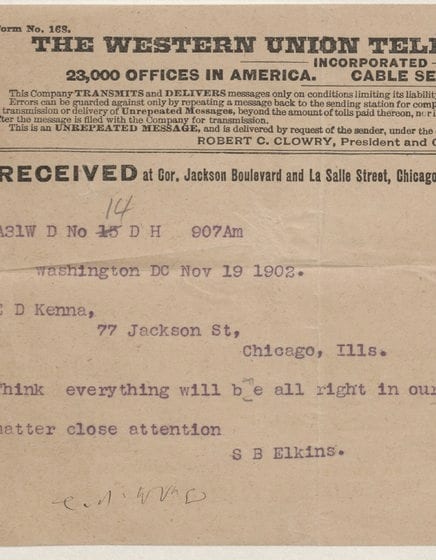
- Apprenticeship indenture, 1740
- Bill of lading, 1783
- Treasury circular, 1789
- Land grant, 1801
- Share certificate, 1826
- Passport, 1831
- Marriage register, 1854
- Fire insurance map, 1867
- City directory page, 1880
- Telegram, 1902
Where this goes
A family is not one name.
You carry your father’s name, but your mother’s line has its own record, and so does every branch that married in. The archives keep growing under all of them.
The archive, in numbers
- 162,253 surnames in the census file U.S. Census Bureau
- 19,729 newspaper pages searched Library of Congress
- 1790 the earliest census on file U.S. National Archives
The part you can hold.
Everything above lives on a screen. These don’t. Each one is made to order from the same record you just read — nothing here sits in a warehouse waiting for a name.

From people who bought one.
“Eight sheets on heavy cream stock, A4, inside a navy hard cover folder. Nothing folded and nothing stapled.”
Reseña 1
“Every figure and every date comes from a public record, and the last sheet names all of them.”
Reseña 2
“Where the record is silent, the sheet prints that it is silent. No gap gets filled with a plausible guess.”
Reseña 3
“Each sheet stands on its own, so a single plate can be framed without taking the set apart.”
Reseña 4
“It arrives ready to hand over: there is no invoice and no pricing anywhere inside the folder.”
Reseña 5
“Printed and posted within thirty days, free across the United States and Canada.”
Reseña 6
You would not be the first.
The archives have been open for two hundred years and almost nobody reads them. We do the reading, set what is there in type, and post it to your door.
1790the earliest
census on file